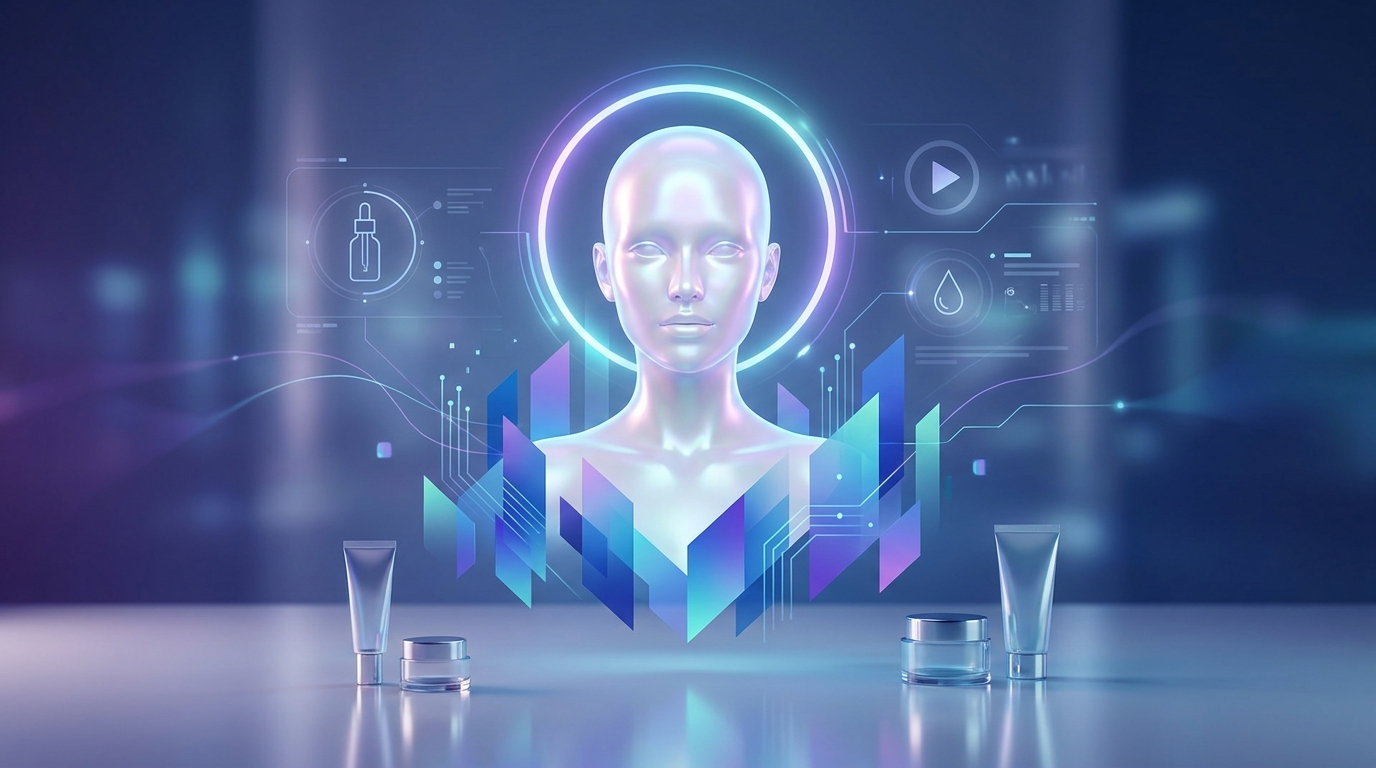
The Future of Skincare Marketing with AI Avatars: What Beauty Brands Need to Know
Discover the future of skincare marketing with AI avatars. Explore skincare AI ads, AI video for skincare, and Snapchat ads UGC tips to grow your beauty brand.
The Future of Skincare Marketing with AI Avatars: What Beauty Brands Need to Know
How AI avatars, video tools, and platform-smart strategies are reshaping the beauty industry
Table of Contents
- The Future of Skincare Marketing with AI Avatars: What Beauty Brands Need to Know
- Key Takeaways
- The Skincare Industry Is Changing Fast — And AI Is Leading the Way
- How Skincare Brands Have Traditionally Marketed Their Products
- Why Skincare Is a Uniquely Strong Fit for AI-Driven Marketing
- Frequently Asked Questions
Key Takeaways
- Unprecedented Personalization: AI avatars empower beauty brands to craft highly individualized marketing messages tailored to specific skin types and concerns at scale.
- Overcoming Traditional Barriers: Traditional skincare marketing is burdened by high costs, long production timelines, and scaling difficulties—all of which AI minimizes.
- Maintaining the Human Connection: Despite being digitally generated, AI tools successfully preserve the relatable, human-centered proof consumers demand in skincare.
- Resilience Against Disruption: The pandemic proved that digital-first, AI-driven marketing strategies can keep campaigns moving even when physical studios and talents are unavailable.
- A Unique Category Fit: Skincare relies entirely on customized solutions based on variables like age and environment, making it the perfect landscape for dynamic, AI-generated content variations.
The Skincare Industry Is Changing Fast — And AI Is Leading the Way
Skincare has always been about connection.
When a consumer picks up a moisturiser or a serum, they are not just buying a product. They are buying a promise — that this specific formula will solve their specific skin concern. That promise has always been delivered through human stories, real faces, and relatable experiences.
But the way brands build that connection is changing dramatically.
AI avatars are now allowing beauty brands to create compelling, personalised content at scale — eliminating the traditional barriers of cost, time, and production complexity. This is not a minor tech upgrade. It is a complete reimagining of how skincare brands communicate with their customers in a digital-first world.
The future of skincare marketing with AI avatars is already unfolding. Brands that understand this shift early will have a significant competitive advantage over those that wait.
Skincare AI ads powered by artificial intelligence are becoming smarter, faster, and more targeted than ever before. And the brands that embrace this change now are the ones that will dominate their category in the years ahead.
In this post, we will cover:
- How skincare brands have traditionally marketed their products
- Why skincare is a uniquely strong fit for AI-driven marketing
- What AI avatars are and how they work
- How AI video for skincare is changing content creation
- Platform-specific tips for Snapchat and UGC campaigns
- The key benefits, challenges, and what the road ahead looks like
Let's get into it.
How Skincare Brands Have Traditionally Marketed Their Products
For decades, the skincare industry has relied on a well-worn toolkit to reach consumers.
That toolkit includes:
- Influencer partnerships — working with beauty creators who have established trust with their audiences
- Celebrity endorsements — using famous faces to give products glamour and aspiration
- User-generated content (UGC) — real customers sharing real results on social media
- TV and print advertising — big-budget campaigns designed to reach mass audiences
These methods have worked well for a long time. They create trust. They show products on real people with real skin concerns. And in a category as personal as skincare, that human element matters enormously.
Consumers want to see someone who looks like them using a product. They want proof it works. They want to feel understood.
But these traditional approaches come with serious limitations.
- High costs: A single professional TV or video shoot can cost tens of thousands of dollars.
- Long production timelines: From concept to launch can take weeks or even months.
- Scaling problems: Creating personalised messaging for different skin types, ages, or demographics requires multiple shoots and multiple budgets.
- Influencer dependency: A brand's campaign can be derailed overnight if an influencer faces controversy or becomes unavailable.
Then came the pandemic.
Overnight, traditional production became impossible. Studios closed. Models were unavailable. Brands were forced to find new ways to create content and reach consumers. This accelerated the adoption of AI-powered tools at a pace the industry had never seen before.
This wasn't an arbitrary shift. It was born from necessity. And it rapidly became a genuine strategic advantage for the brands that leaned in early.
Why Skincare Is a Uniquely Strong Fit for AI-Driven Marketing
Not every product category benefits equally from AI marketing tools.
Skincare is different. It is one of the most natural fits for AI-driven marketing, and here is why.
Skincare concerns are highly individualised. Unlike buying a pair of headphones or a coffee machine, effective skincare depends on a complex mix of factors:
- Skin type (oily, dry, combination, sensitive)
- Age and hormonal changes
- Environmental factors like climate and pollution
- Lifestyle habits including diet, sleep, and stress levels
- Specific concerns like acne, pigmentation, fine lines, or redness
This means the demand for personalised, targeted messaging in skincare is extremely high. A 45-year-old woman dealing with dryness and fine lines needs a completely different message than a 22-year-old managing hormonal breakouts.
Traditional marketing cannot serve both of them well in the
Frequently Asked Questions
What are AI avatars in skincare marketing?
AI avatars are digitally generated, highly realistic personas that allow beauty brands to create customized video content at scale without the traditional costs of human talent and photoshoots.
Why is skincare a strong fit for AI-driven marketing?
Skincare requires deeply individualized messaging based on skin type, age, and environmental factors. AI allows brands to dynamically produce varied content variations to address these specific concerns simultaneously.
How do AI avatars reduce marketing costs for beauty brands?
By removing the need for physical studio rentals, camera crews, travel expenses, and talent fees, AI avatars dramatically lower the budget needed to create professional-quality video marketing.
Will AI replace user-generated content (UGC)?
Instead of replacing it, AI enhances UGC. It makes it easier and faster to generate authentic-looking, relatable content that feels human and is tailored to specific demographics.
How did the pandemic affect AI adoption in beauty marketing?
The pandemic forced physical production studios to close, driving beauty brands to adopt digital alternatives like AI-powered video tools out of necessity, which quickly became a long-term strategic advantage.
Ready to Create Your Own AI UGC Videos?
Generate authentic, high-converting user-generated content in minutes with Instant-UGC's AI-powered platform.
Start Creating AI UGC Videos →